
Trust is the cornerstone of strong democracies and resilient communities. Yet, across Europe and beyond, public institutions are increasingly challenged to strengthen citizens’ confidence in decision-making processes and ensure that people feel heard, valued, and empowered.
This masterclass explores how the Municipality of Cascais has built a comprehensive participatory system designed to weave democratic engagement into the very fabric of local government. Rather than relying on isolated initiatives, Cascais has developed a network of overlapping, reinforcing practices that foster a continuous dialogue between the city and its residents across different generations and demographics. Participants will discover how Cascais moves beyond traditional consultation mechanisms by exploring the dynamic interactions between its various democratic pillars. We will look closely at how the city’s landmark Participatory Budget works in tandem with specialized tracks like the Youth Participatory Budget, creating a multi-layered ecosystem where civic habits are formed early and sustained throughout a citizen’s life. Through concrete examples, the session will illustrate how these distinct practices feed into one another—sharing data, scaling ideas, and collectively driving transparency, accountability, and a stronger sense of shared ownership over local development.
The masterclass will examine the practical tools, methodologies, and governance models required to manage a multi-channel participatory system, while addressing the distinct challenges local authorities face when sharing decision-making power. Particular attention will be given to how these interconnected practices help manage expectations, build institutional resilience, and cultivate a long-term culture of trust. Beyond the Cascais model, participants will be invited to reflect on how systemic co-decision processes can inspire democratic innovation in their own communities. Through interactive discussion and peer exchange, we will explore how local governments can transition from running standalone participation projects to building holistic governance systems where citizens are not just occasionally consulted, but are active, lifelong partners in shaping the future of their cities.
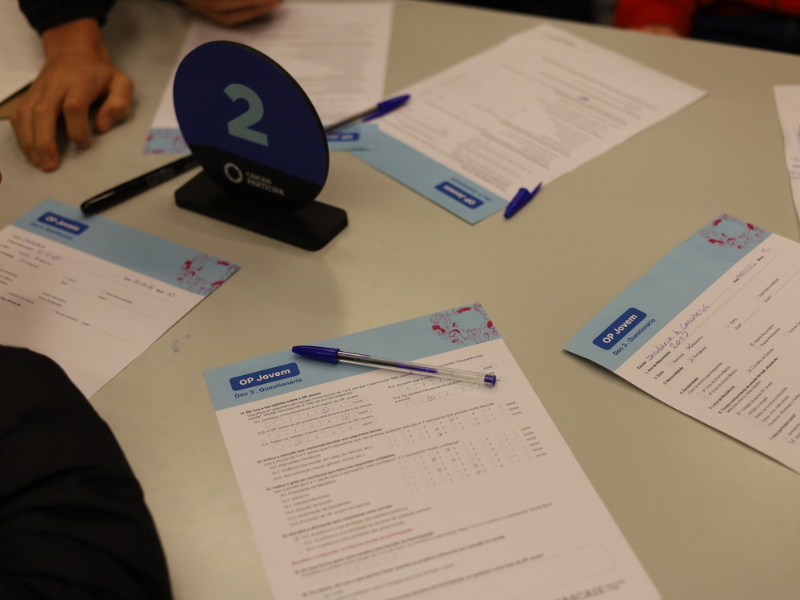
Cascais
Karin Pereira, Municipality of Cascais, Teresa Pais